Calcium for doves and pigeons
In addition to a seed-based diet and grit, your pigeons and doves also need a source of calcium.
This is even more important if you have any females, as a lack of calcium is a common issue that causes egg problems.
Why calcium is important for your birds
As stated before, females need a boost of calcium to avoid any unnecessary risks due to egg laying. That being said, males also benefit from a source of calcium. Therefore, the best approach is to give access to a calcium source at all times.
⚠️ Note
Giving the wrong calcium source or not providing it correctly can lead your bird to overdose or not get enough calcium. Also, note that most grits contains calcium, but hens needs extra due to egg laying.
To avoid any risk, follow these rules:
How to feed calcium
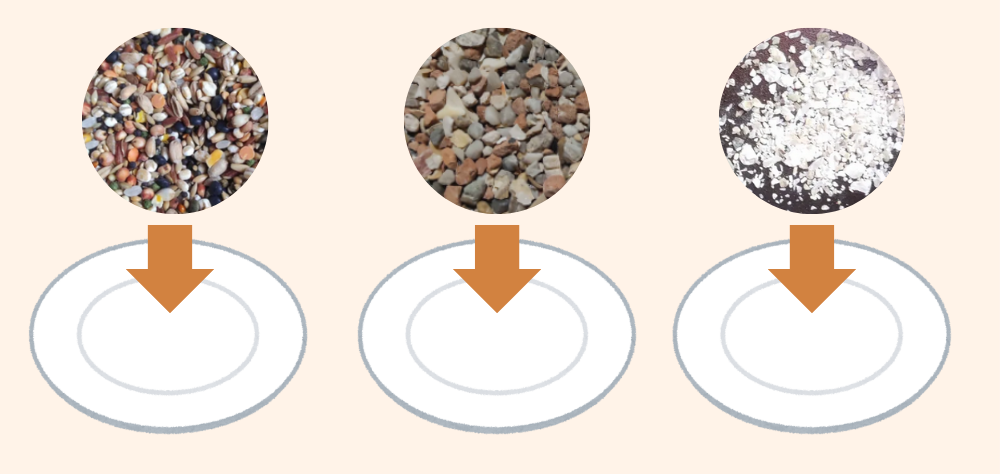
The best way to provide calcium is to separate it from the seeds and grit, no matter the form you get. That way, your birds won't accidentally ingest too much while trying to feed. As long as you separate it from the rest, your birds won't risk anything.
What kind of calcium to give
There are many kinds that can be given to your doves and pigeons, as long as they contain some of these elements:
- Oyster shells
- Coral
- Coral algae
- Crushed seashells
- Calcium carbonate: powdered calcium carbonate cannot be used because you would have to add it on top of grit or food, which can lead to overdose.
- Molded pure calcium carbonate blocks of any kind can be suitable as long as they are pure calcium carbonate (with little or no additives), but they would have to be crushed or powdered. They also comes in pellets form, often labeled as "poultry calcium" or "calcium pellets".
If you're having trouble deciding what to get, crushed oyster shells are the safest and easiest to control.
Wrong sources of calcium to avoid
Cuttlebone: A false friend
One of the most common misconceptions is to use cuttlebone.
Cuttlebone should NOT be used for your pigeons and doves, whether whole, crushed, or powdered.
When you cut a cuttlebone, you'll see that it's not smooth; there are small bumps and ridges. These ridges, although seemingly harmless to us, can make micro-cuts in your birds' digestive systems. These ridges are present throughout the whole cuttlebone, so if you cut pieces of it, even very small ones, they will still be there.
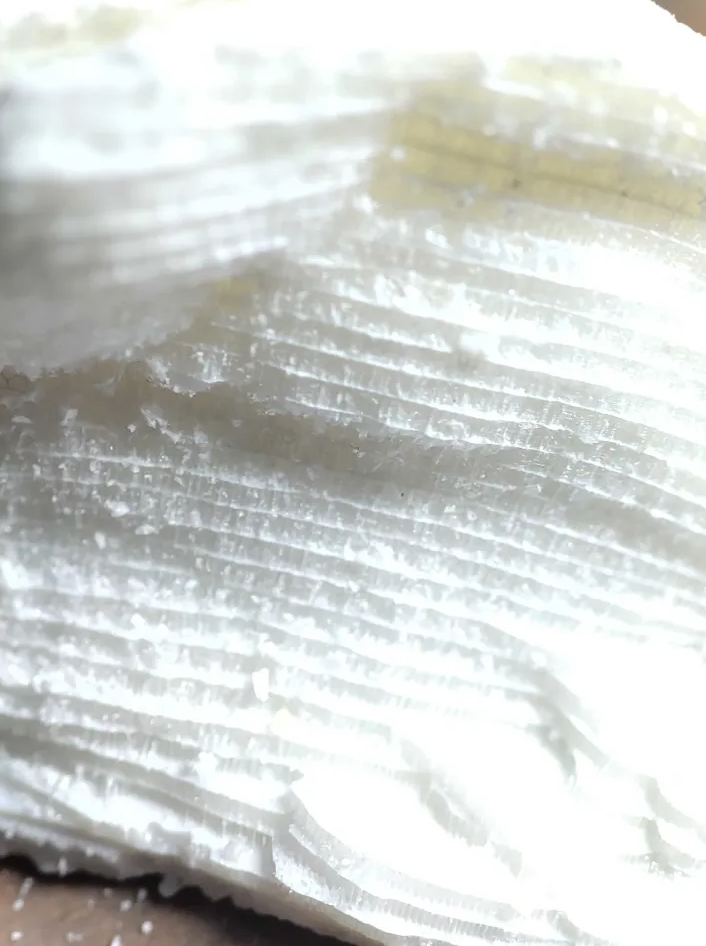
You cannot crush the cuttlebone into powder either; cuttlebones come from cuttlefish and are therefore high in salt. Overall, stick to a healthy alternative like oyster shells. It will save you both trouble and money (since cuttlebone "made for birds" is more expensive than a bag of crushed oyster shells).
Other wrong sources
When looking for a calcium source, you want to avoid these:
- Products that contain artificial sweeteners
- Products that contain seeds or grains to make them more appealing to birds
Calcium doesn't replace grit
While your birds should have access to calcium, it does not replace grit. Pigeon grit contains the minerals necessary to complete their diet, which calcium does not, and vice versa.
If you're having trouble deciding which type of grit to choose, you can refer to our guide on the subject.